
Featuring: Rebecca Stromeyer, Shafika Isaacs, Steven Vosloo, and Michael Trucano
I came back from Accra with a question I didn't expect to be thinking about: who gets to make the decisions when new technologies enter African education systems?
I was at eLearning Africa 2026 to chair a session on human-centred and inclusive AI in African education systems. We had four panellists, three continents, and an hour to talk about a subject I know well.
What struck me during the conference was the appetite for this conversation, particularly among people working inside education systems and organisations supporting people with disabilities. There was a lot of practical thinking about what AI could make possible for dyslexic learners, neurodiverse students and others who are often poorly served by existing education systems.
One of the voices on my panel leads an organisation working with dyslexic learners across more than thirty African countries. She is Ghanaian and dyslexic herself. Her point was straightforward: if neurodiverse learners, African languages and local realities are not considered when AI tools are designed, those tools risk reproducing the same inequalities they are supposed to address.
That got me thinking about something else that happened around the session.
One of my panellists could not make it to Accra. He leads a distance learning organisation in Burundi and had put a lot of thought into his contribution. He answered every question I sent him, developed his arguments, and shared an idea that stayed with me: that the human tutor should be treated as a profession. A real one, with people who are trained and paid for the work they do.
He could not afford to travel. The organisers, a small independent organisation that had already offered him a complimentary pass, could not cover the additional costs. Nobody else stepped in.
So I read his contribution aloud in the room.
That was what I could do, but it also made me think about who gets to participate in conversations about the future of African education. We can bring people together from across the continent to discuss where education is going, but some of the people doing that work every day still cannot afford to be in the room.
I don't think that is the organisers' fault. It is a broader problem about access to these spaces and the resources needed to participate in them. Then, between two sessions, I came across the work of the ALSF Academy. I had never heard of it before. It is the capacity-building programme of the African Legal Support Facility, an organisation hosted by the African Development Bank in Abidjan.
Their work is quite straightforward. They train African lawyers, civil servants and negotiators to sit across the table from international law firms during complex contract negotiations, including in mining, oil and gas, energy, infrastructure and sovereign debt. Their stated objective is to reduce the gap in technical capacity between the parties involved in a negotiation.
I kept coming back to that idea because it felt surprisingly close to the conversation we were having about AI in education. When a technology company comes into an African ministry of education with a turnkey AI solution, there can be a similar imbalance. The company knows its product, its data, its contractual terms and its intellectual property. On the other side may be a highly capable team that has not necessarily been equipped to negotiate the specifics of that technology or those terms.
The ALSF has built a model around this problem in areas such as mining. So I started wondering: who is doing this for education technology?
That question has stayed with me more than anything else from the conference. Because the more I think about these different conversations, the more they seem to come back to the same basic issue: having the knowledge and capacity to make decisions.
Which technologies enter our classrooms? What happens to the data? Which terms are accepted? Which ones are negotiated? Who is involved in making those decisions in the first place?
For me, that is an important part of the conversation about AI in Africa. The technology itself is only part of the question. People also need the knowledge to understand what they are being offered, ask the right questions, negotiate where necessary, and make choices that work for their own contexts.
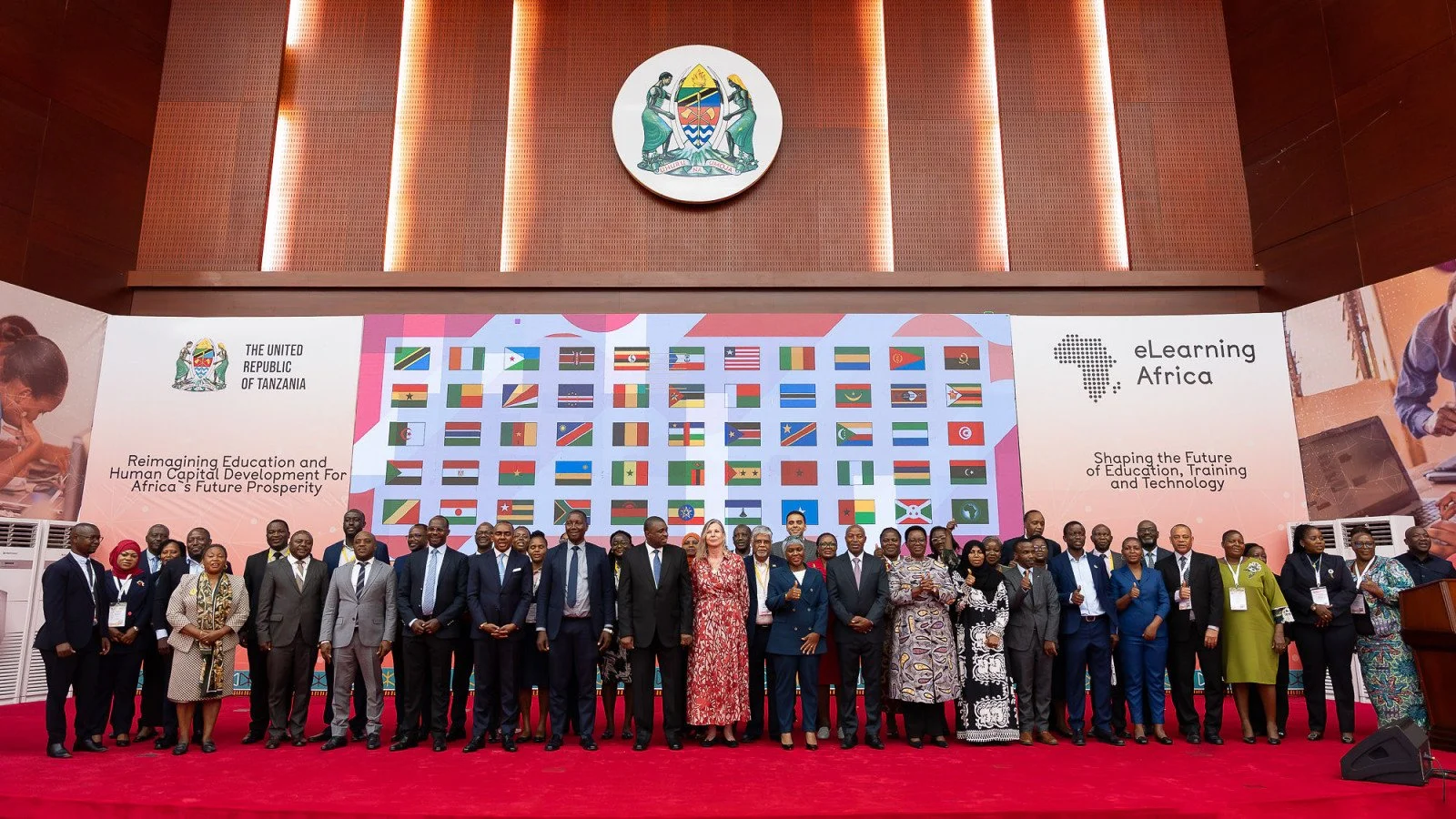
The other thing I will remember from Accra is the range of people in the room. People came from very different countries and contexts, with very different experiences of education and technology, but were able to have a genuinely shared conversation about where things are heading. That kind of space is valuable. It is also not equally accessible to everyone, as my Burundian panellist's absence made very clear.
At datocracy, we work with people across the Global Majority to build skills in data and AI. After Accra, I have been thinking about that work a little differently. It is not only about helping people learn how to use new tools. It is also about giving people enough understanding to question those tools, make informed choices about them, and have a say in how they are introduced and used.
That is a different kind of capacity. And I think it matters.