
Do YOU protect children from social media when you post them for your friends?
France passed a law a few weeks ago banning children under 15 from social media, becoming the first country in the European Union to do so. Australia’s ban came into effect on 10 December 2025, restricting all users under 16 from holding accounts on major platforms including TikTok, Snapchat, YouTube, Reddit, Instagram, Facebook and X. The UK has similar restrictions coming next year. Spain, Greece and Denmark are planning their own age limits.
Every time one of these announcements drops, the conversation is the same. We are protecting children. We are keeping them safe. And I find myself asking: from whom, exactly?
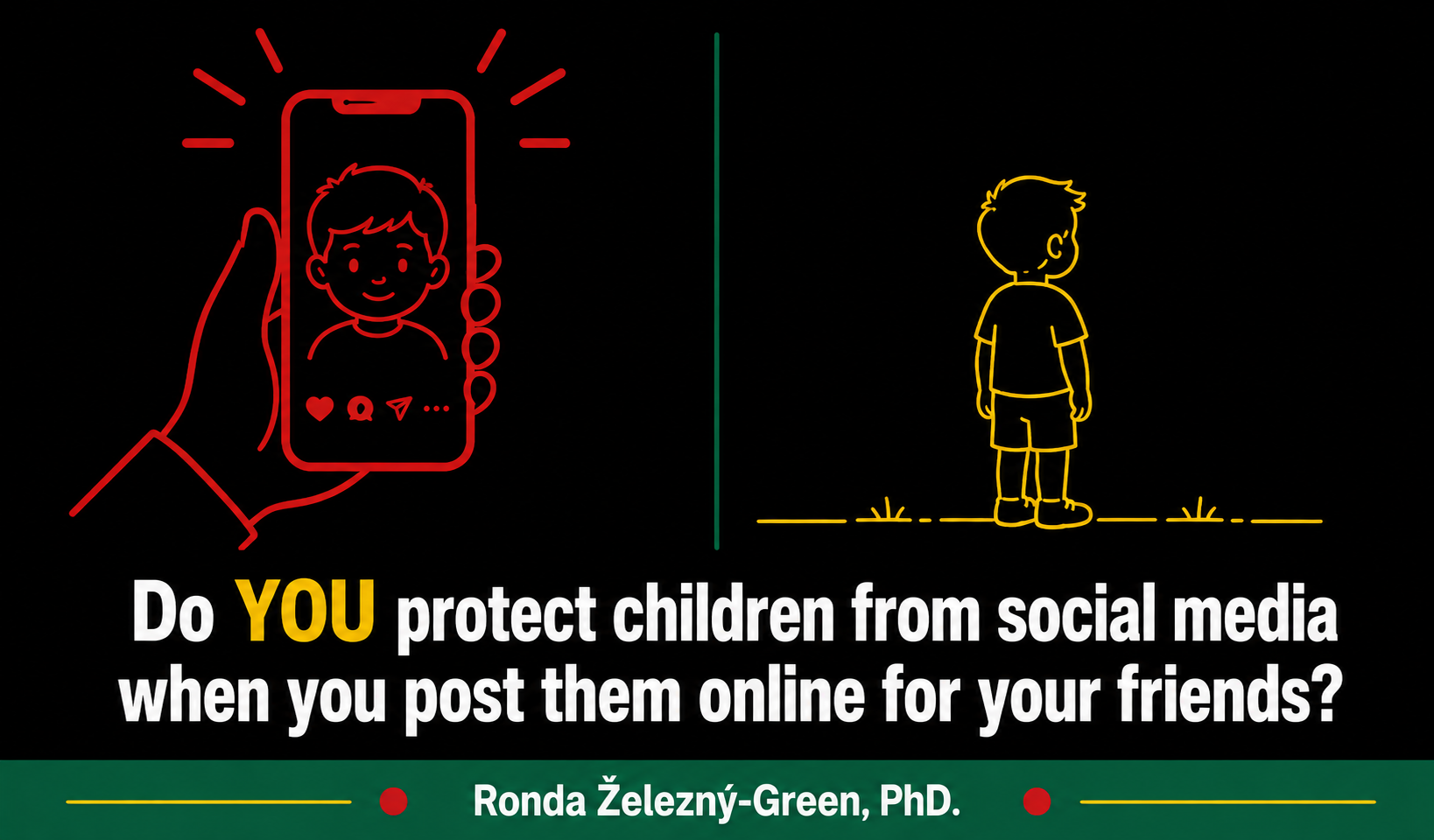
Because here is what I keep noticing. The same adults celebrating these bans, sharing the news, saying finally, are often the same adults posting their children’s faces, locations, and daily lives on the very same platforms. Without the child’s knowledge/consent. Sometimes with accounts that are technically private but practically accessible to friends of friends, acquaintances, and strangers whose relationship to the family nobody has thought carefully about.
We are feeding our children’s images, their biodata, their faces, and their developmental milestones directly to Meta, to TikTok, to X. And we do not seem to have any qualms about that at all.
When I raise this with people, the answer is almost always the same: I just want to share with family and friends. And I understand that impulse genuinely. But there are several ways to share meaningfully with the people you love that use end-to-end encryption, including email, including WhatsApp and other messaging services. Those options exist. Most people are not using them. They are choosing the public broadcast over the private share, and then telling themselves it is about connection.
So at what point do we have the uncomfortable conversation that we are telling children: do as we say, not as we do? Because that contradiction is not lost on young people. It is part of what makes social media so compelling to them. They are watching the adults in their lives perform their lives publicly every single day.
There’s also another question that keeps me thinking. Are we actually respecting the rights of children? We think that by banning them from social media we are protecting them. But we are simultaneously exposing them to real risk and danger by posting them online without their consent or their full understanding. What happens when those images reach people we did not intend? What happens when photos of children find their way into the hands of people who cause harm?
These are not hypothetical concerns. They are documented risks. And we are volunteering our children into that exposure while telling them they are not old enough to manage their own digital presence.
Banning children from social media is a conversation worth having. But it has to start with adults having an honest conversation with themselves first. Why is it acceptable to post images of children online without their consent, to give their biodata freely to the same platforms we are now legislating against, and to celebrate protection while practicing exposure?